the proof
This work is already happening.
We’re already engaging diverse audiences across race, socioeconomic demographics, culture, and background.
40
+
cities reached
10000
+
people served
100
+
communities equipped
Featured at





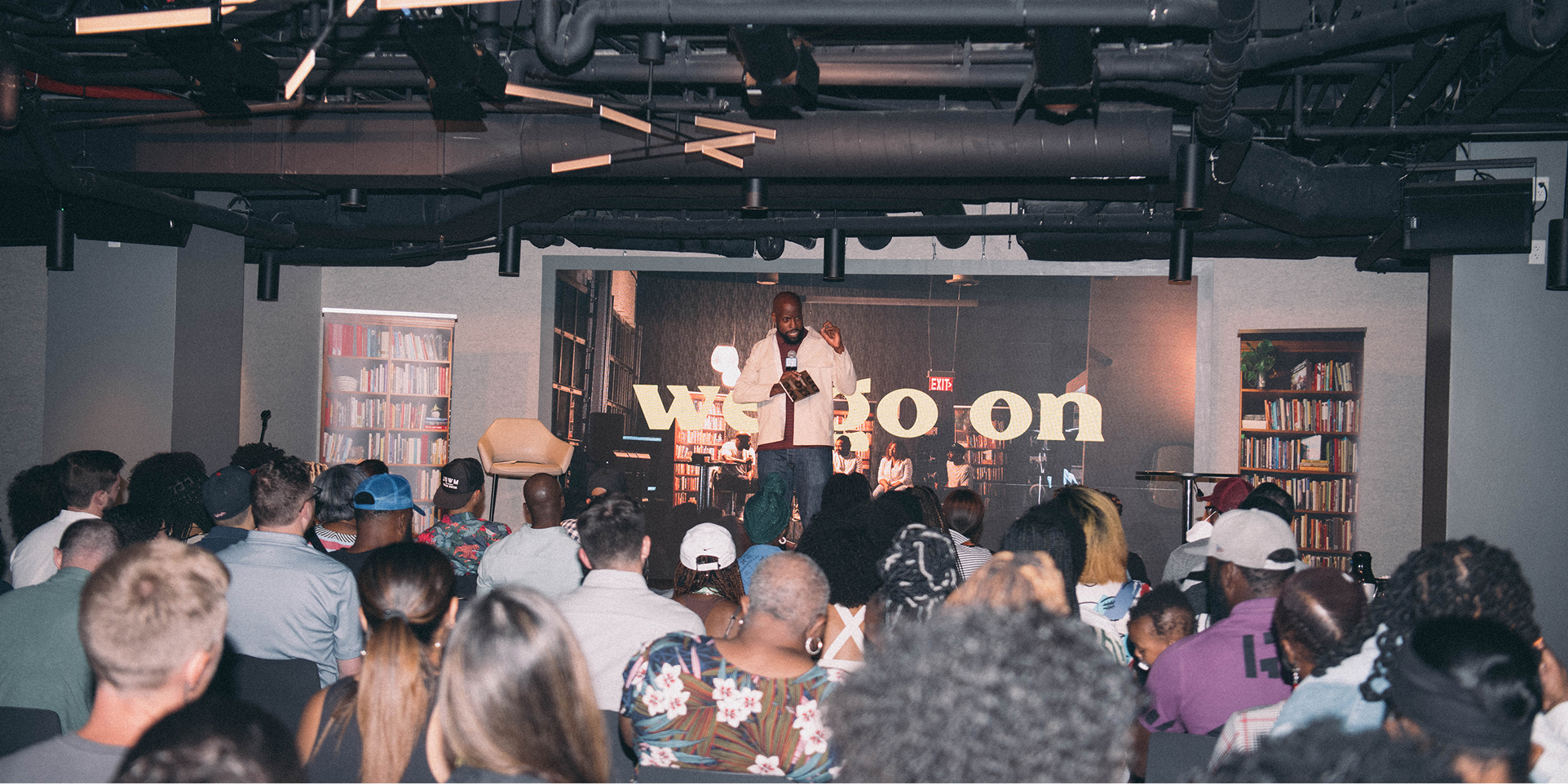
We Go On Studio is a storytelling and experience studio focused on cultivating human wholeness in a fractured world.
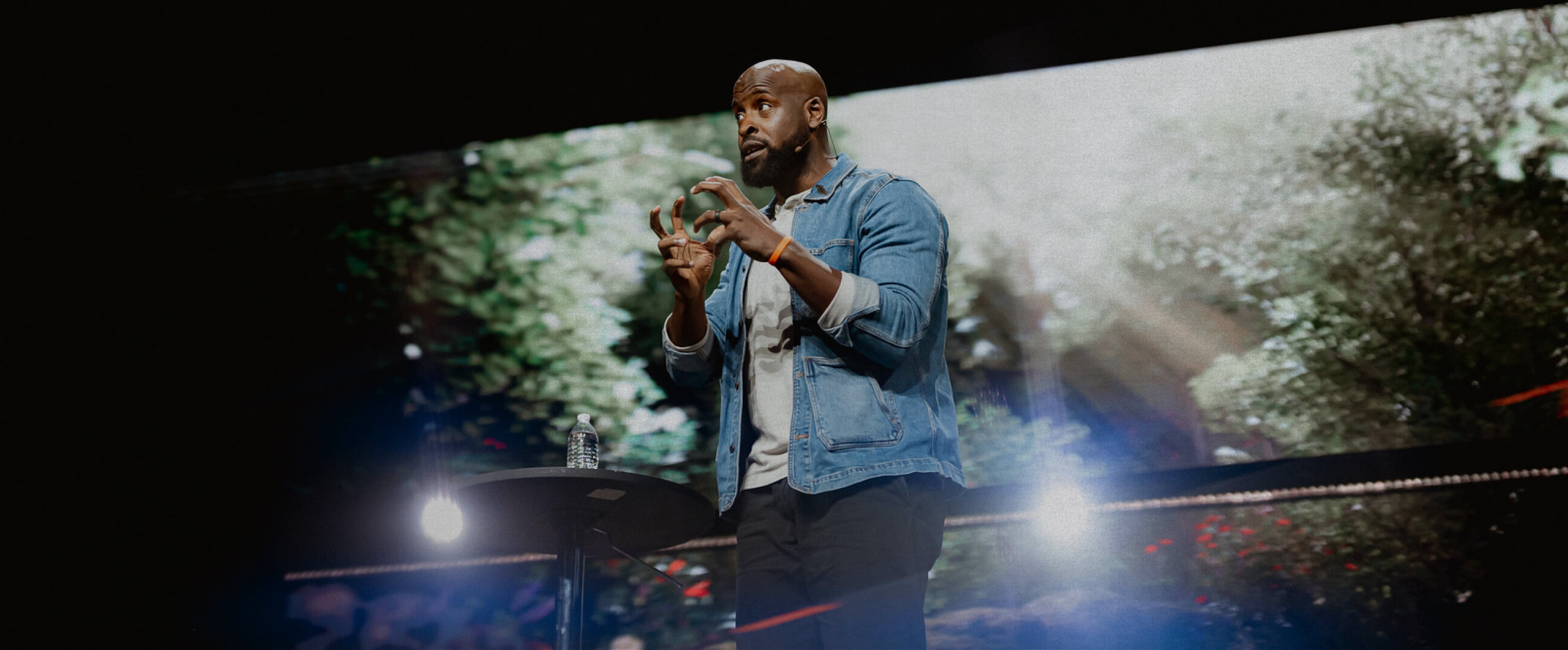
If Grief is a Wound. Loneliness is the infection. When loss goes unnamed and unsupported, people are left alone with it. That isolation quietly damages mental health, relationships, faith, and hope.
But the real danger isn’t the loss. It’s what happens after. The silence. Disconnection. Isolation. Loneliness isn’t just painful. It’s deadly.
Experience active grief every year—from death, divorce, illness, trauma, or loss of identity. Grief isn’t rare. It’s a defining feature of modern life.
Report experiencing significant loneliness. Half the population lacks reliable emotional connection.
US SURGEONS GENERAL report 2023 - Public health crisis equivalent of smoking 15 cigarettes per day. More deadly than obesity, and physical inactivity. Loneliness shortens lives.
People experiencing chronic loneliness are
Loneliness accelerates cognitive decline.
Even strong clinical systems can’t meet the scale of this crisis.
Is linked annually to social isolation. Loneliness strains public systems.
Due to loneliness-related absenteeism and reduced productivity. Institutions are already paying the cost.
Live with prolonged or unresolved grief. When grief goes unresolved, people don’t just suffer longer—it often turns into social withdrawal, one of the fastest pathways into chronic loneliness.
Loneliness is accelerating.
And our current responses aren’t working.
We keep treating grief like information people need to process.
What they actually need is connection.
Grief doesn’t need to isolate people. Pain doesn’t have to strand them. And hope shouldn’t depend on someone being strong enough to figure it out alone.
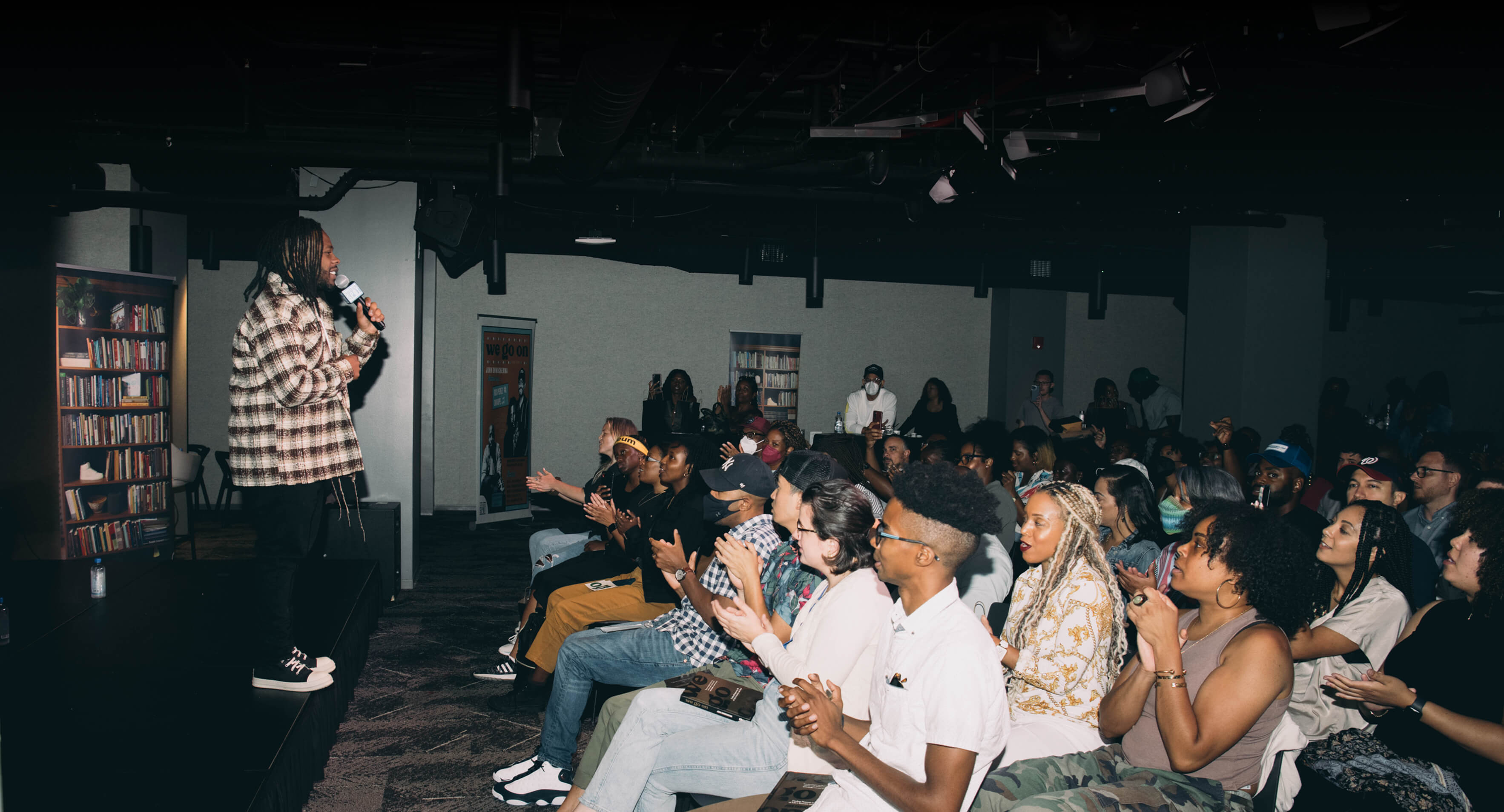
Loneliness isn’t just the absence of people. It’s what happens when grief has nowhere to go. Language creates connection. Connection interrupts loneliness.
Shared experiences that normalize grief and restore connection.
Stories and tools that give people language for pain they’ve never been taught how to name.
Communities and institutions to support people in grief before isolation takes hold.
We’re already engaging diverse audiences across race, socioeconomic demographics, culture, and background.
At the lowest point in my life, I wasn’t just grieving—I was alone. And I learned something I can’t unlearn:
Tragedy doesn’t ruin people.
Hopelessness does.
And hope is a team sport.
We Go On Studio exists so fewer people have to face grief alone—and so more communities know how to show up when it matters most.